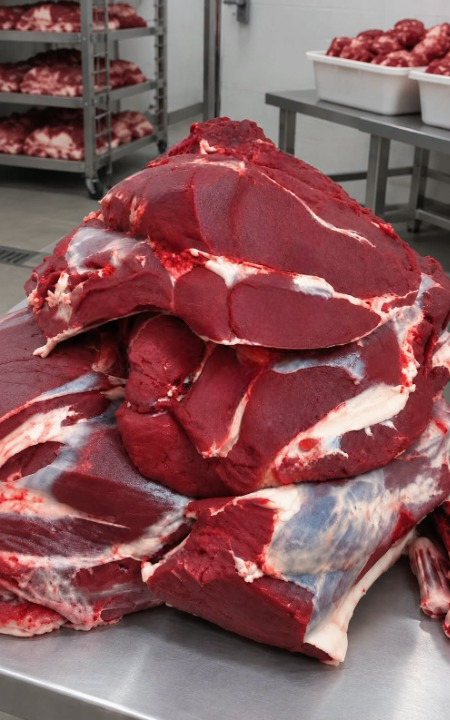
Color is merely a minor detail in the grand scheme of grocery shopping, and frequently, it is the absolute least dependable metric we can rely on. When we wander down the brightly lit aisles of our local supermarket, our eyes are naturally drawn toward cuts of beef that boast a vibrant, appealing crimson hue. We have been conditioned to equate that specific shade with freshness, health, and quality. However, the visual presentation of meat is a carefully orchestrated science—and sometimes, an illusion—that tells us very little about the actual safety, age, or history of the product sitting inside the plastic wrap.
To truly understand how meat is marketed and how to make safer choices for your household, it helps to pull back the curtain on the meat industry, supermarket packaging techniques, and the biological processes that occur long before a steak ever reaches the display shelf.
The Science Behind the Shade
Fresh beef, in its natural state immediately after slaughter and butchering, is actually a deep, dark purplish-red or even brownish color. This occurs because the primary protein responsible for meat color, myoglobin, has not yet been exposed to oxygen. When myoglobin reacts with oxygen—a process known as oxygenation—it transforms into oxymyoglobin, which produces the bright cherry-red color that consumers find so appealing.
Supermarkets and meat processors are well aware of this biological reaction. For decades, they have utilized modified-atmosphere packaging (MAP) and advanced supply chain techniques to manipulate this process. By sealing meat in packages that either completely remove oxygen to extend shelf life (such as vacuum-packing) or introduce precisely calibrated mixtures of oxygen, carbon dioxide, and nitrogen, processors can control when and how the meat “blooms.”
This means that a steak that looks dark, dull, or uninspiring while vacuum-sealed in the back of the truck can suddenly transform into a bright, glossy red masterpiece mere minutes after the butcher cuts open the plastic wrap and exposes it to ambient air. Conversely, meat that has been sitting under aggressive, warm grocery store display lights for days can maintain a deceptive, vibrant red exterior even as it begins to degrade underneath the surface. Store lighting is strategically angled and color-corrected to make every cut look its absolute best, masking the subtle signs of aging that would otherwise give shoppers pause.
Looking Past the Glow: Smarter Selection Strategies
Because visual appearance is so easily manipulated, relying on color alone is a recipe for culinary guesswork. Safer, smarter choices come from slowing down, ignoring the alluring glow of the meat case, and paying attention to concrete indicators of quality and safety.
First and foremost, your primary line of defense is the expiration data printed on the label. Always check the use-by or sell-by date on every single package you pick up. While a sell-by date dictates how long a store can display a product, the use-by date tells you how long the meat will remain at peak quality and safety when properly refrigerated.
Secondly, inspect the physical integrity of the packaging itself. Avoid any packages that are swollen, leaking, torn, or badly damaged. A bloated package is a major red flag, as it often indicates the buildup of gases produced by spoilage bacteria multiplying inside. Even if the meat inside looks pristine and brilliantly red, a compromised package means outside air, bacteria, and contaminants have had free access to the product.
Trusting Your Senses at Home
Once you bring your groceries home, the responsibility of food safety shifts entirely to your kitchen. Never rely on color tests or taste tests once meat has entered your refrigerator for a few days. Instead, trust your senses:
-
Odor: Fresh meat should have a neutral or very mild, clean scent. A strong, sour, ammonia-like, or distinctly off-odor is an unmistakable sign of bacterial overgrowth and spoilage. If it smells unpleasant before cooking, do not attempt to salvage it.
-
Texture: Fresh meat should feel firm and slightly damp, but never slimy, sticky, or tacky. If you touch a cut of chicken, beef, or pork and your fingers encounter a slick, slimy film, the spoilage process has already taken hold.
-
Discoloration: While minor browning due to oxidation is normal (especially in the center of a package where oxygen didn’t reach), a greenish, grayish, or iridescent sheen—combined with any of the aforementioned texture or odor signs—means the meat belongs firmly in the trash can, not in your skillet.
Proper Handling and Storage Protocols
Buying safe meat is only half the battle; how you handle and store it dictates whether it remains safe to consume. Meat should always be kept as cold as possible during transport. If you have a lengthy drive home from the grocery store, utilizing an insulated cooler bag with ice packs is a simple yet vital precaution.
Once in your kitchen, place raw meat in the refrigerator immediately. To prevent cross-contamination—one of the leading causes of foodborne illness—store raw meats on the lowest shelves of your refrigerator, ideally placed on a plate or tray to catch any potential drips. This ensures that raw juices cannot accidentally contaminate ready-to-eat foods like fruits, vegetables, leftovers, or dairy products stored below or beside them. Furthermore, handle raw meat quickly, wash your hands and utensils thoroughly with hot soapy water after contact, and cook meats to their recommended internal temperatures.
When you stop letting superficial color dictate your purchasing decisions, the supermarket meat aisle transforms from a confusing, high-stakes guessing game into a straightforward, manageable section of the store. By prioritizing package integrity, checking dates, trusting your senses, and maintaining strict kitchen hygiene, you strip away the marketing illusions and ensure that every meal you serve your family is as safe as it is delicious.