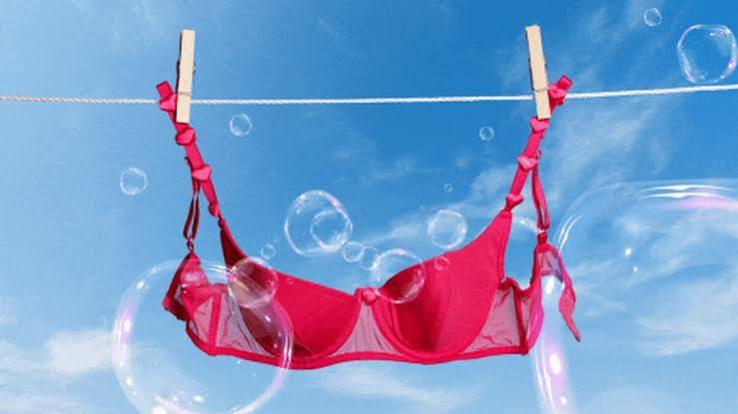
Bras are among the most frequently worn items in many people’s wardrobes, yet they are also some of the garments people tend to forget about when doing laundry.
Unlike T-shirts, socks, and underwear, bras aren’t always washed after every use. Some people wear the same bra several days in a row, while others wait until it starts to smell before putting it in the laundry basket.
But how often should you actually wash your bras?
The answer depends on several factors, including how much you sweat, how long you wear them, and the type of activity you do throughout the day.
Taking proper care of your bras isn’t just about keeping them clean. It can also help preserve their shape, elasticity, and overall comfort.
Here’s what you should know about washing and maintaining your bras.
How Often Should You Wash Your Bras?
A commonly recommended guideline is to wash everyday bras after approximately two or three wears.
However, this isn’t a strict rule that applies to everyone.
If you’ve been exercising, sweating heavily, or spending time outdoors in hot weather, you may need to wash your bra sooner.
Bras worn during workouts should generally be washed after each use because sweat, body oils, and moisture can accumulate in the fabric.
For everyday bras, washing them after a few wears may be sufficient if they remain clean, dry, and odor-free.
It’s also a good idea to avoid wearing the same bra several days in a row.
Rotating between different bras gives the elastic fibers time to recover between uses, helping the garment maintain its shape.
Why You Shouldn’t Wear the Same Bra Every Day
Wearing the same bra repeatedly without washing it can allow sweat, natural skin oils, dead skin cells, and bacteria to accumulate.
These substances can become trapped in the fabric, particularly around the underband and areas that come into contact with the skin.
Over time, this buildup may contribute to unpleasant odors and skin irritation.
Rotating your bras is a simple way to reduce repeated wear on the same garment.
It also gives each bra an opportunity to air out before you wear it again.
Having several comfortable bras available can make this routine easier to maintain.
Should You Hand-Wash Your Bras?
Hand-washing is often one of the gentlest ways to clean bras, especially delicate styles with lace, underwire, padding, or decorative details.
Although some bras can safely go into a washing machine, frequent exposure to rough washing conditions may damage delicate fabrics and elastic components.
If you want to hand-wash your bras, follow these steps:
- Fill a clean basin with cool or lukewarm water.
- Add a small amount of mild laundry detergent.
- Place the bras in the water and gently move them around.
- Allow them to soak briefly, following the detergent and garment-care instructions.
- Rinse thoroughly with clean water.
- Gently press out excess water without twisting or wringing the fabric.
- Lay the bras flat or hang them appropriately to air-dry.
Avoid using very hot water or aggressive scrubbing, as these can affect the fabric and elasticity.
Can You Wash Bras in a Washing Machine?
Yes. Hand-washing isn’t the only option.
Many everyday bras can be machine-washed safely if you use the appropriate settings and follow the care label.
Here are some helpful precautions:
- Use a mesh laundry bag: This helps prevent straps and hooks from catching on other garments.
- Choose a delicate cycle: A gentle setting reduces unnecessary movement and friction.
- Wash with cold water: Cool water is generally gentler on elastic and delicate fabrics.
- Use mild detergent: Avoid harsh cleaning products that may damage fibers.
- Fasten the hooks: Closing the hooks helps prevent them from snagging other clothing.
- Avoid heavy garments: Washing bras alongside bulky items such as towels can expose them to unnecessary friction.
Once the washing cycle is finished, remove the bras promptly and allow them to air-dry.
Why You Should Avoid Putting Bras in the Dryer
Although using a dryer may seem convenient, high temperatures can damage the elastic materials that help bras maintain their shape.
Repeated exposure to heat may cause elastic fibers to weaken, resulting in stretched bands and reduced support.
Padding, lace, and other delicate components can also become damaged.
Instead, allow your bras to dry naturally.
You can place them flat on a clean drying rack or hang them in a well-ventilated area, depending on the garment’s design and care instructions.
Avoid wringing them out, as this can distort their shape.
How Often Should You Replace Your Bras?
Even with proper washing and storage, bras don’t last forever.
Over time, their elastic bands can stretch, straps may lose their support, and cups may stop fitting properly.
Rather than following a strict replacement schedule, pay attention to how your bras look and feel.
Here are a few signs that it may be time to replace one:
- The band rides up your back even when adjusted correctly.
- The straps repeatedly slip off your shoulders.
- The cups wrinkle, gape, or no longer provide the right fit.
- The underwire has become uncomfortable or started poking through the fabric.
- The elastic has become noticeably stretched.
- The bra no longer provides comfortable support.
If you notice these changes, replacing the garment may be more practical than trying to extend its lifespan.
Why Getting Professionally Fitted Can Make a Difference
Another important part of bra care is making sure you’re wearing the correct size.
Body measurements can change over time for many reasons, including weight fluctuations, pregnancy, aging, and hormonal changes.
A bra that once fitted comfortably may eventually become too tight, too loose, or uncomfortable.
A professional bra fitting can help you identify a suitable size and style.
A properly fitting bra should feel comfortable, with a supportive band, cups that contain the breast tissue without excessive pressure, and straps that stay in place without digging into your shoulders.
You don’t necessarily need to visit a specialist every time you purchase a new bra, but getting measured when your fit changes can be helpful.
Simple Tips to Make Your Bras Last Longer
Proper washing is important, but how you store and wear your bras also makes a difference.
Consider these practical habits:
1. Rotate Your Bras
Avoid wearing the same bra every day. Having several options allows each garment to rest between uses.
2. Store Them Carefully
Keep bras in a drawer where they won’t become crushed or tangled. Molded cups should retain their natural shape.
3. Avoid Excessive Heat
Keep delicate bras away from hot water, radiators, and high-temperature drying cycles.
4. Follow the Care Label
Different fabrics and bra designs require different cleaning methods. Always check the manufacturer’s instructions.
5. Don’t Ignore Signs of Wear
If the elastic is stretched or the garment no longer fits properly, it’s probably time for a replacement.
Frequently Asked Questions
1. Is it okay to wear the same bra two days in a row?
Occasionally, yes, provided it remains clean and dry. However, rotating between bras is generally better because it allows the elastic to recover and the garment to air out.
2. Should sports bras be washed after every workout?
Yes. Sports bras should generally be washed after each workout because sweat and moisture can accumulate during physical activity.
3. Can I wash my bras with regular clothes?
You can, provided you use a gentle cycle and place delicate bras inside a mesh laundry bag. Avoid washing them with heavy garments that could cause unnecessary friction.
4. Is hand-washing better than machine-washing?
Hand-washing is generally gentler, particularly for delicate bras. However, machine-washing can also be suitable when the garment’s care instructions allow it.
5. Can I put my bras in the dryer?
Air-drying is usually the better option. Dryer heat can weaken elastic fibers and damage delicate materials over time.
6. How do I know when my bra no longer fits?
Common signs include a band that rides up, uncomfortable underwires, slipping straps, or cups that no longer fit properly.
Final Thoughts
Bras may be everyday wardrobe essentials, but they still need a little attention to stay comfortable and in good condition.
As a general guideline, everyday bras can often be washed after two or three wears, while sports bras and garments exposed to heavy sweating should generally be washed after each use.
Hand-washing, using a delicate machine cycle, avoiding excessive heat, and rotating between different bras can all help extend their lifespan.
Most importantly, pay attention to how your bras fit and feel. A comfortable, properly maintained bra can make a difference in your everyday wardrobe.
A few simple laundry habits are all it takes to keep your favorite bras cleaner, fresher, and in better condition for longer.