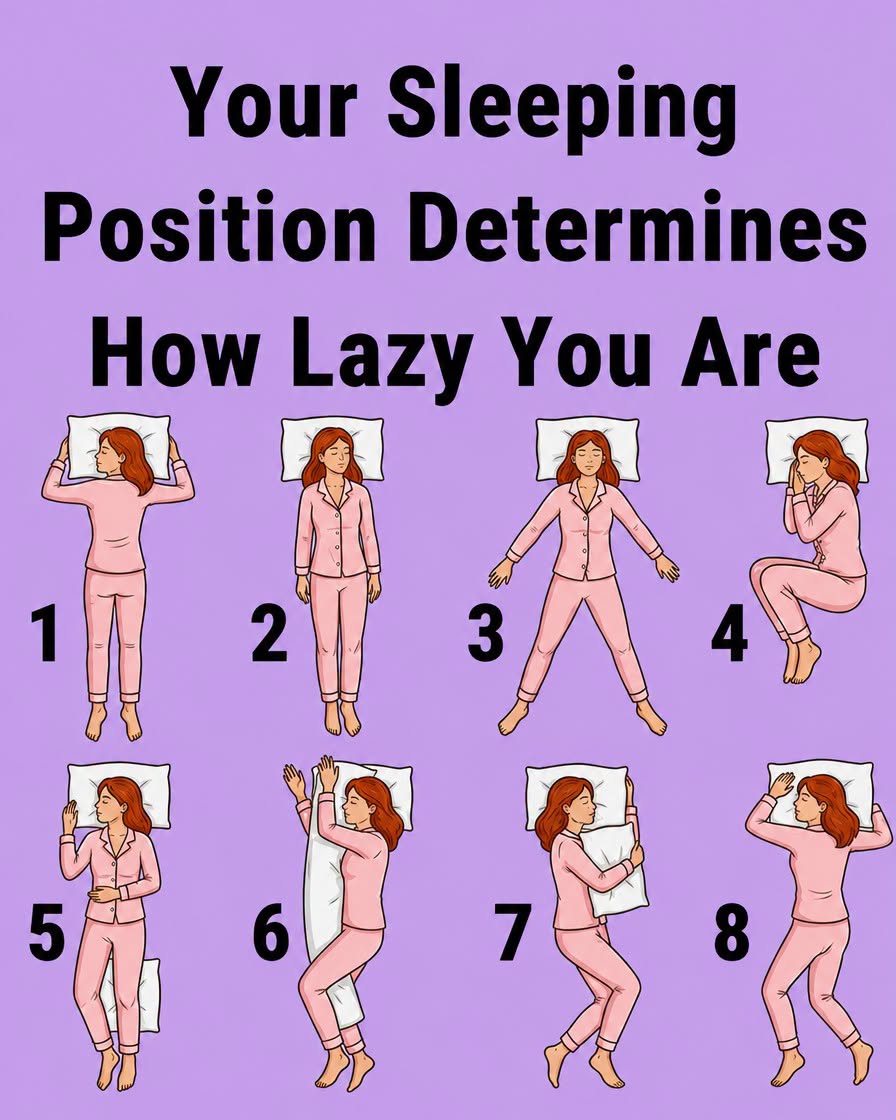
Have you ever noticed that you tend to fall asleep in exactly the same position every night? Some people prefer stretching out across the mattress, while others curl up beneath the blankets or sleep with their arms tucked close to their bodies.
Sleeping habits are different for everyone, and certain positions have become popular subjects of curiosity. Online articles and illustrations often suggest that the way someone sleeps can reveal aspects of their personality, including whether they are confident, sensitive, independent, or shy.
But can your sleeping position really tell you what kind of person you are?
The truth is that there is little scientific evidence connecting specific sleeping postures with individual personality traits. However, sleep positions can offer interesting insights into physical comfort, personal preferences, and certain aspects of sleep quality.
Let’s explore eight common sleeping positions and what you should know about them.
Why Do People Sleep in Different Positions?
The way people position themselves during sleep is influenced by several factors.
Physical comfort is one of the most important considerations. Your mattress, pillow, body shape, and preferred sleeping environment can all influence how you settle into bed.
Other factors include:
- Temperature: People may stretch out when they feel warm or curl up when they feel cold.
- Physical discomfort: Back, neck, and shoulder discomfort can influence sleeping posture.
- Personal habits: Many people become accustomed to sleeping in a particular position over time.
- Mattress support: An unsuitable mattress may make certain positions uncomfortable.
- Health considerations: Some sleeping positions may be more suitable than others depending on an individual’s health needs.
These factors provide more practical explanations for sleeping preferences than personality-based interpretations.
8 Common Sleeping Positions Explained
1. Sleeping on Your Back With Arms at Your Sides
This position involves lying flat on your back with your arms resting naturally alongside your body.
<escape> </escape>
Some people find this arrangement comfortable because it allows their body to rest without twisting their shoulders or hips.
However, back sleeping may worsen snoring or obstructive sleep apnea in certain individuals.
If you regularly wake up feeling uncomfortable, adjusting your pillow or placing a small pillow beneath your knees may provide additional support.
2. Sleeping With Your Arms Raised Above Your Head
Sometimes called the star-gazer position, this posture involves lying on your back with your arms resting above or beside your head.
People who prefer this arrangement may find it comfortable because it allows their shoulders and upper body to relax.
However, keeping the arms raised for extended periods can cause discomfort in people with existing shoulder problems.
If you experience numbness, tingling, or shoulder pain, consider adjusting your position.
3. The Starfish Position
The starfish position involves lying on your back with both arms and legs spread outward.
It creates the appearance of someone making a star shape across the mattress.
This position gives the limbs plenty of room and may feel comfortable for people who prefer not to remain tightly curled.
One consideration is that taking up more mattress space can affect a sleeping partner’s comfort.
As with other back-sleeping positions, it may also aggravate snoring or certain breathing-related sleep problems.
4. The Fetal Position
<escape> </escape>
The fetal position is one of the most recognizable sleeping postures.
It involves lying on one side with the knees bent toward the chest and the body slightly curled.
Many people find this position comfortable because it provides a natural resting posture.
Side sleeping may also help reduce snoring for some individuals.
However, curling too tightly can place unnecessary pressure on the neck, hips, and joints. Keeping the body in a relaxed position rather than pulling the knees too close to the chest may improve comfort.
5. Sleeping on Your Side With One Arm Extended
In this position, a person lies on their side with one arm extended forward or resting across the mattress.
The posture may feel natural for people who enjoy side sleeping but prefer having their upper arm in a more open position.
A supportive pillow can help keep the neck aligned with the spine.
People who experience shoulder discomfort may need to experiment with their arm placement or choose another comfortable position.
6. Sleeping With Both Arms Near the Pillow
Some people prefer lying on their side or back with their hands positioned near their head or pillow.
This arrangement may provide a comfortable resting place for the arms and shoulders.
However, comfort depends on individual flexibility and joint health.
If you frequently wake up with numb hands or uncomfortable shoulders, consider changing your arm position and checking whether your pillow provides adequate support.
7. Hugging a Pillow While Sleeping
<escape> </escape>
Hugging a pillow is a familiar habit among people who prefer sleeping on their sides.
The additional pillow can provide support for the upper arm and shoulder while helping the body maintain a more comfortable position.
Some side sleepers also place a pillow between their knees to reduce pressure around the hips and lower back.
Although online personality descriptions sometimes associate this position with emotional sensitivity or a need for reassurance, there is no reliable scientific evidence that hugging a pillow reveals someone’s personality.
It may simply be a comfortable sleeping preference.
8. Sleeping With Arms Bent Near the Head
This posture involves lying on the back or side with the elbows bent and the hands positioned near the head.
Some people naturally adopt this arrangement because it feels relaxing.
However, maintaining the arms in a raised or tightly bent position may contribute to discomfort for individuals with certain shoulder or nerve-related problems.
Adjusting the arms and using an appropriately sized pillow may help improve comfort.
Can Your Sleeping Position Reveal Your Personality?
One of the most interesting claims about sleeping positions is that they supposedly reveal hidden personality characteristics.
For example, some online interpretations suggest that people who sleep in the fetal position are sensitive, while those who stretch out across the mattress are confident or independent.
Others claim that sleeping with your arms close to your body indicates discipline or that hugging a pillow suggests an emotional personality.
Although these descriptions may be entertaining, they should not be treated as established psychological findings.
There is no dependable scientific method for determining whether someone is generous, ambitious, shy, confident, or lazy simply by observing their sleeping posture.
Personality is complex and influenced by many factors, including experiences, environment, behavior, and individual differences.
Your sleeping position is much more likely to reflect your comfort preferences than your character.
Does Your Sleeping Position Affect Your Health?
Unlike personality interpretations, the relationship between sleeping posture and physical comfort has received considerable scientific attention.
Different positions can affect breathing, pressure distribution, and the alignment of the neck and spine.
Here are a few important considerations:
- Side sleeping: May help reduce snoring and certain breathing difficulties for some people.
- Back sleeping: Can provide comfortable support but may worsen snoring or sleep apnea in susceptible individuals.
- Stomach sleeping: May place additional strain on the neck because the head is usually turned to one side.
- Fetal sleeping: Can be comfortable, although excessive curling may contribute to stiffness.
- Pillow support: Appropriate pillow height can help maintain a comfortable neck position.
People with ongoing sleep problems or medical conditions should discuss suitable sleeping arrangements with a healthcare professional.
How to Find a Comfortable Sleeping Position
There is no single sleeping position that works perfectly for everyone.
The best arrangement is one that allows you to rest comfortably without waking up with persistent aches or discomfort.
Consider these simple suggestions:
- Choose a supportive pillow: Your pillow should help keep your neck comfortably aligned with your spine.
- Adjust your mattress: A mattress that provides appropriate support can improve overall sleeping comfort.
- Try a pillow between your knees: This may help some side sleepers maintain a more comfortable hip position.
- Avoid excessive twisting: Try to keep your neck and back in a relaxed, natural alignment.
- Pay attention to discomfort: Repeated pain, numbness, or tingling may indicate that your sleeping arrangement needs adjustment.
If you regularly wake up exhausted, experience persistent pain, or have loud snoring accompanied by pauses in breathing, consider seeking medical advice.
Final Thoughts: Comfort Matters More Than Personality Labels
Your sleeping position can be an interesting reflection of your everyday habits and physical preferences, but it cannot tell the complete story of who you are.
Whether you sleep stretched out like a starfish, curled up in the fetal position, or holding a pillow close, what matters most is whether you are getting comfortable and restorative sleep.
Instead of worrying about personality descriptions attached to different sleeping styles, pay attention to your body’s needs.
A supportive mattress, suitable pillow, comfortable bedroom environment, and consistent sleep schedule are far more important than fitting into a particular sleeping-position category.
After all, a good night’s sleep is not about how you look while resting. It is about waking up feeling refreshed, comfortable, and ready for the day ahead.