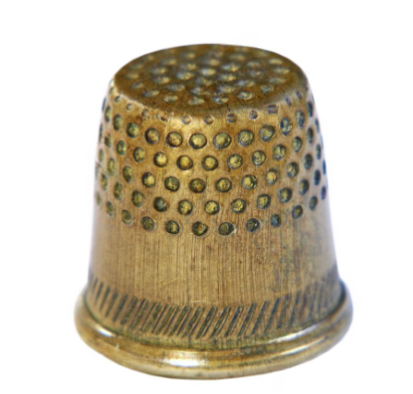
Have you ever come across a tiny metal object in an old sewing kit, perhaps tucked away in a drawer, sewing basket, or vintage storage box? At first glance, it might look like a miniature cup or a small metal cap covered in unusual patterns. Its purpose may not be immediately obvious, especially if you have never done much hand sewing.
However, this little object has a surprisingly practical history. It is called a sewing thimble, and it has been an important accessory for people who sew by hand for generations.
Although thimbles are small and simple, they serve an important purpose. They help protect fingers while pushing needles through fabric, making sewing more comfortable and controlled. From repairing everyday clothing to creating detailed embroidery, this small tool has played a valuable role in sewing traditions around the world.
But what exactly is a thimble, why does it have tiny dents all over its surface, and how should you use one correctly? Let’s take a closer look at this fascinating sewing accessory.
What Exactly Is a Sewing Thimble?
A sewing thimble is a small protective covering designed to fit over the tip of a finger. It is traditionally worn while hand sewing to make pushing a needle through fabric easier.
When someone sews by hand, they repeatedly move a needle through layers of material. Depending on the thickness of the fabric, this can require a surprising amount of pressure. Without protection, the finger pushing the needle may become uncomfortable or accidentally come into contact with the sharp point.
A thimble provides a protective surface between the finger and the needle. It allows the user to apply pressure more confidently while maintaining better control over the sewing process.
Traditional thimbles were commonly manufactured from metals such as brass, steel, copper, and silver. Today, they are also available in plastic, silicone, rubber, leather, and other materials.
Their appearance may vary, but their basic function remains the same: helping people sew more comfortably while protecting their fingers.
Why Are There So Many Tiny Dents on the Surface?
One of the most recognizable features of a traditional metal thimble is its textured surface. If you look closely, you will notice that it is covered with numerous small indentations.
These marks are not random decorations. They are carefully designed features that make the thimble more useful.
The indentations help provide grip when the needle presses against the thimble. As the sewer pushes the needle forward, the textured surface helps keep it from slipping sideways.
This is particularly helpful when working with thicker materials, multiple layers of fabric, or projects that require repeated needle movements.
Without the textured surface, a smooth metal thimble could make it more difficult to maintain consistent pressure. The small dents help improve control and make the sewing process more comfortable.
The design is a good example of how a relatively simple feature can make an everyday tool considerably more practical.
How Do You Actually Wear a Thimble?
If you have never used a sewing thimble before, you might assume it belongs on your thumb. However, traditional hand-sewing techniques generally use the middle finger of the dominant hand.
The middle finger is commonly used to push the needle through the material, so placing a thimble on its tip provides protection where it is needed most.
Here is how to wear one:
- Choose a thimble that fits comfortably over the tip of your middle finger.
- Slide it onto your finger so that it covers the fingertip.
- Make sure it feels secure without being too tight.
- Hold your sewing needle between your thumb and index finger.
- Use the protected middle finger to gently push the needle through the fabric.
The exact technique can vary depending on the type of sewing and personal preference. Some experienced sewers use different finger positions depending on their sewing style.
The most important thing is to choose a comfortable fit and use the thimble to guide the needle without applying unnecessary pressure.
How Does a Thimble Help When Sewing?
A thimble may look like a very basic accessory, but it offers several useful benefits.
1. It Protects Your Fingertips
One of its main purposes is to create a protective barrier between your finger and the needle. This is especially helpful when sewing for extended periods.
2. It Makes Pushing Needles Easier
When working with thick fabrics, pushing a needle through several layers can require additional effort. A thimble provides a firm surface that helps distribute the pressure.
3. It Improves Needle Control
The textured surface of many traditional thimbles helps keep the needle in position. This can make hand sewing more consistent and manageable.
4. It Supports Longer Sewing Sessions
Repeatedly pushing a needle through fabric can make fingertips uncomfortable. Wearing a properly fitted thimble can help reduce direct pressure on the finger.
5. It Helps With Different Sewing Projects
Whether you are repairing a shirt, sewing a button, making a quilt, or working on embroidery, a thimble can be a useful addition to your sewing supplies.
What Materials Are Thimbles Made From?
Not every thimble looks like the traditional metal version found in older sewing boxes. Over time, manufacturers have introduced different materials to suit different preferences and sewing techniques.
Here are some common varieties:
- Metal thimbles: Often made from steel, brass, copper, or silver. They are traditional, durable, and widely recognized.
- Plastic thimbles: Lightweight and generally affordable, making them a convenient option for everyday sewing.
- Silicone thimbles: Flexible and comfortable, with a softer feel than many traditional metal designs.
- Leather thimbles: Often chosen by people who prefer a flexible material that adapts to the finger.
- Rubber thimbles: Designed to provide flexibility and grip during certain sewing activities.
Each type has its own advantages. The best choice depends on the sewing project, personal comfort, and how frequently the tool will be used.
A Brief History of the Sewing Thimble
Thimbles have a long history that stretches back many centuries. Before modern sewing equipment became common, hand sewing was an essential part of everyday life.
People regularly made their own clothing, repaired damaged garments, and created household textiles. Because these tasks involved repeated needle movements, protecting the fingers was important.
Early thimbles were produced using different materials and manufacturing methods. As metalworking techniques developed, metal thimbles became increasingly recognizable and widely used.
Over time, some thimbles became more than practical sewing accessories. Craftspeople began creating decorative versions featuring engraved designs, attractive patterns, and detailed metalwork.
Some were made from silver or other valuable materials and given as gifts or kept as treasured personal possessions.
Today, antique thimbles are appreciated by collectors because they offer a glimpse into the history of sewing, craftsmanship, and everyday household life.
Are Old Metal Thimbles Valuable?
You might be surprised to learn that some vintage and antique thimbles attract interest from collectors.
However, not every old thimble is particularly valuable. Its age alone does not determine its worth.
Several factors can influence its collectible appeal, including:
- Material: Silver and other precious metals may attract additional interest.
- Condition: Well-preserved examples are often more desirable than heavily damaged ones.
- Age: Older examples may be interesting to collectors, depending on their history and characteristics.
- Design: Unusual decorations, engravings, and distinctive shapes can make certain pieces stand out.
- Maker’s marks: Identifying marks may help establish where and when an item was manufactured.
If you discover an old thimble in a family sewing box, it may be worth examining carefully before discarding it. Even an ordinary-looking example could have sentimental or historical significance.
For potentially valuable pieces, consider consulting an experienced antiques specialist rather than relying on appearance alone.
How to Choose the Right Thimble
If you are planning to start hand sewing, choosing the right thimble can make the experience more enjoyable.
Start by considering the size. A thimble should sit comfortably on your finger without constantly slipping off or feeling excessively tight.
Next, think about the material. Metal versions provide a firm surface, while silicone and leather options offer different levels of flexibility.
It is also helpful to consider the type of sewing you plan to do. Someone who regularly works with thick upholstery fabric may prefer a sturdy metal design, while someone doing light embroidery might enjoy a softer alternative.
Whenever possible, try different styles to discover which one feels most natural.
Can Beginners Use a Sewing Thimble?
Absolutely! You do not need years of sewing experience to use one.
In fact, beginners may find a thimble particularly helpful when learning basic hand-sewing techniques.
Start with a simple project, such as repairing a loose button or stitching a small piece of fabric. Put the thimble on your middle finger and practice gently pushing the needle through the material.
It may feel unfamiliar at first, especially if you have always sewn without one. However, with practice, using a thimble can become a natural part of your sewing routine.
Remember that comfort is important. If the thimble feels awkward, try adjusting its position or choosing another size or material.
Why This Tiny Sewing Tool Still Matters Today
Modern sewing machines have made many sewing tasks faster and more convenient. Nevertheless, hand sewing remains an important skill for clothing repairs, embroidery, quilting, crafts, and other creative projects.
A thimble continues to have a place in these activities because its purpose has not changed.
It is a small example of practical design that has remained useful across generations. While its appearance may be simple, every part serves a purpose, from the protective shape to the tiny indentations that help guide the needle.
The next time you discover a little metal cup inside an old sewing kit, you will know that it is not just an unusual piece of metal. It is a sewing thimble, a practical accessory with a long history and an interesting role in everyday craftsmanship.
Sometimes, the smallest tools have the most interesting stories.