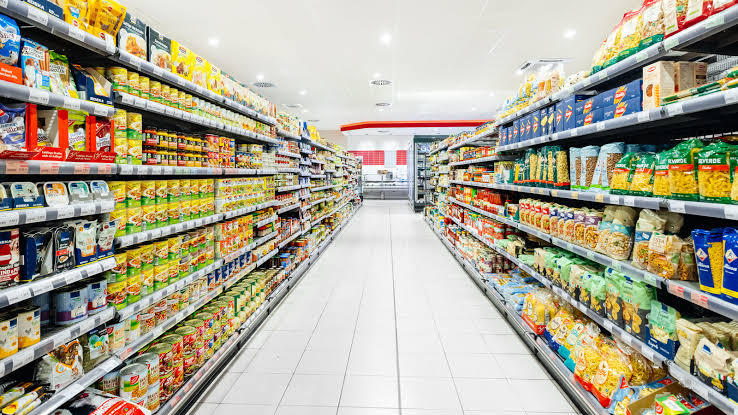
Have you ever walked into a grocery store on a bright, sunny afternoon and noticed something unusual? Despite being surrounded by hundreds of products, colorful displays, and brightly lit aisles, you might not see a single window.
In fact, many supermarkets are designed with very few exterior windows. Some have only a small glass entrance, while others seem almost completely enclosed from the outside.
It is something most shoppers rarely think about. You enter to pick up groceries, walk through the aisles, compare prices, and eventually leave without giving much attention to the building itself.
But have you ever wondered why so many grocery stores are designed this way?
Is it simply an architectural preference, or is there a practical reason behind those large, blank walls?
As it turns out, several factors help explain this common design choice. From food preservation and refrigeration costs to storage space, lighting, and the shopping experience, windowless supermarkets are often designed around the specific needs of a grocery business.
There may also be an interesting connection to how people experience time and navigate indoor shopping environments.
Let’s explore why grocery stores often have fewer windows than other retail businesses and whether the design is really as intentional as it seems.
1. Keeping Food at the Right Temperature
One of the biggest reasons supermarkets often limit large exterior windows is temperature control.
Grocery stores sell a wide variety of products that need different storage conditions. Fresh vegetables, dairy products, meat, frozen foods, and other perishable items must be kept within appropriate temperature ranges to maintain their quality and safety.
Managing the temperature inside a large supermarket is already a considerable task.
Now imagine adding several large windows that allow direct sunlight to enter throughout the day.
Sunlight can increase indoor heat, particularly when it passes through large areas of glass. This additional heat may make it more difficult for heating, ventilation, and air-conditioning systems to maintain consistent indoor conditions.
The refrigeration equipment may also need to work harder to compensate for unwanted heat entering the building.
For a supermarket operating refrigerators and freezers throughout the day, controlling unnecessary heat gain can make a meaningful difference.
Solid exterior walls can help create a more predictable indoor environment, reducing the amount of direct solar heat entering certain areas.
This doesn’t mean that windows automatically make food unsafe. Properly designed buildings can manage sunlight and temperature effectively. However, limiting large areas of glazing can simplify some aspects of supermarket climate control.
2. More Wall Space for Shelves and Refrigerators
Another important reason is surprisingly simple: supermarkets need plenty of space for merchandise.
Unlike restaurants or clothing stores, grocery businesses have to accommodate an enormous variety of products.
Think about everything inside an average supermarket:
- Refrigerated dairy products.
- Fresh meat and seafood.
- Frozen meals and desserts.
- Packaged snacks.
- Breakfast cereals.
- Canned vegetables.
- Cleaning supplies.
- Beverages.
- Household essentials.
All these products need designated storage and display areas.
A large window occupies space that might otherwise be used for shelving, refrigerated display cases, promotional displays, or storage equipment.
Solid walls provide more flexibility for arranging these fixtures.
For example, supermarkets frequently position refrigerators and freezers along designated wall sections. These installations can require electrical connections, ventilation clearances, and specialized equipment.
A large window may complicate the placement of these fixtures.
By reducing the number of exterior windows, designers can create more usable wall space and arrange products according to the store’s operational needs.
In a business where every square foot matters, that flexibility can be valuable.
3. Helping Maintain Consistent Indoor Lighting
Lighting is another important part of supermarket design.
Have you noticed that grocery stores often look almost identical whether you visit early in the morning, around lunchtime, or after sunset?
That consistency is not accidental.
Supermarkets generally use carefully planned artificial lighting to make products easy to see and help customers navigate the aisles.
Different sections may use different lighting arrangements. Fresh produce areas, for example, may be designed to make fruits and vegetables look appealing, while other areas prioritize visibility and practical illumination.
Natural daylight changes throughout the day.
Clouds, seasonal changes, direct sunlight, and the position of the sun can all affect how much light enters a building.
Large windows may introduce glare or create uneven lighting conditions, particularly when sunlight reaches certain shelves or refrigerated displays.
Artificial lighting provides businesses with greater control over brightness and consistency.
This can help maintain a predictable shopping environment regardless of outdoor weather conditions.
It also makes it easier to design lighting systems around particular product displays and store layouts.
4. Does a Windowless Store Make You Shop Longer?
This is one of the most interesting explanations people discuss when talking about supermarket design.
Some retail design theories suggest that limiting outside views can make shoppers less aware of the passage of time.
Consider what happens when you enter a store with large windows.
You might glance outside and notice that it is raining, getting dark, or becoming unusually busy on the street.
These visual clues provide information about the world beyond the building.
In a supermarket with few windows, however, the indoor environment remains relatively consistent.
The lighting stays similar, the temperature is controlled, and the shelves remain the main visual focus.
Without an outside view, shoppers may pay less attention to changing weather or daylight.
Some people argue that this can encourage longer browsing sessions.
However, it is important not to treat this explanation as a proven universal strategy. The amount of time people spend shopping depends on many factors, including store layout, product selection, prices, shopping lists, convenience, and personal habits.
A supermarket without windows is not necessarily designed to keep every customer inside longer.
Still, the absence of outside views can influence how people experience an indoor space.
5. Grocery Stores Need Protection From Direct Sunlight
Sunlight is useful in many buildings, but it can create challenges for certain products.
Although supermarkets are designed to protect food through proper storage and packaging, excessive direct sunlight can contribute to unwanted heat and light exposure.
For example, certain packaged foods may be affected by prolonged exposure to light or heat.
Other products, including some beverages and oils, may also have storage recommendations involving protection from excessive sunlight.
Large windows can make it harder to control the amount of natural light reaching particular areas.
Solid walls help reduce direct exposure and provide more flexibility when organizing sensitive products.
This is particularly useful in buildings where merchandise storage and refrigeration are major design considerations.
Of course, windows can be installed with appropriate glazing, shading, and orientation to reduce these issues. The important point is that minimizing direct sunlight can simplify some supermarket design decisions.
6. Energy Efficiency and Operating Costs
Running a supermarket requires a considerable amount of energy.
Unlike many smaller retail businesses, grocery stores often operate refrigeration equipment continuously.
Large refrigerators, freezers, air-conditioning systems, ventilation equipment, and artificial lighting all contribute to electricity consumption.
Building design can influence how efficiently these systems operate.
Windows can contribute to heat gain during warm weather and heat loss during colder periods, depending on their construction and insulation performance.
Modern energy-efficient glazing can reduce these effects, but large areas of glass may still create additional considerations for building designers.
Solid walls can generally provide more consistent insulation opportunities.
Reducing unwanted heat transfer may help businesses manage indoor temperatures and reduce the workload placed on heating and cooling equipment.
For supermarket operators, even relatively small improvements in building efficiency can matter because the facilities operate for long hours and serve large numbers of customers.
The exact savings depend on the building’s design, climate, insulation, window quality, and energy systems.
Nevertheless, energy efficiency is an important consideration when planning a supermarket.
7. Security and Building Design Also Play a Role
Another factor worth considering is security.
Supermarkets contain merchandise, expensive refrigeration equipment, electronic systems, and cash-handling areas.
Although windows can provide useful visibility, large areas of exterior glass may introduce additional security and maintenance considerations.
Solid walls can offer greater flexibility when designing certain storage areas, staff spaces, and equipment rooms.
They can also provide a more straightforward surface for installing shelves, electrical systems, and other fixtures.
However, security is not necessarily the main reason supermarkets have limited windows.
The overall design usually reflects a combination of practical requirements, including construction costs, property layout, food storage, energy efficiency, and operational needs.
8. Why Some Grocery Stores Have Plenty of Windows
Despite the popularity of windowless supermarket designs, not every grocery store follows the same approach.
Some modern supermarkets feature large glass entrances, bright storefronts, and windows that allow natural daylight into shopping areas.
This is particularly common in certain urban grocery stores and smaller neighborhood markets.
These locations may occupy buildings that were originally designed for other purposes.
For example, a supermarket operating in a former department store, shopping center, or street-level retail building may inherit large windows from the original architecture.
Other businesses deliberately use natural light to create a welcoming atmosphere.
Large windows can make a store feel more open, improve its connection with the surrounding neighborhood, and allow people outside to see the products and activity inside.
There are also architectural solutions that combine daylight with temperature control.
Energy-efficient glass, exterior shading, insulated window systems, and carefully planned building orientation can help reduce some of the disadvantages associated with traditional windows.
In other words, supermarkets do not have to choose between natural light and efficient building design.
The best solution depends on the specific property and the needs of the business.
9. What About Trader Joe’s and Other Modern Grocery Stores?
Trader Joe’s is an interesting example because its stores can look quite different from traditional supermarkets.
Some locations feature visible storefront windows and welcoming entrances, while others operate in buildings with limited natural light.
This variation is partly connected to the types of properties the company occupies.
A grocery store located in an older urban building may have a very different layout from one constructed as part of a modern shopping center.
The surrounding architecture, available floor space, and property restrictions can all influence the final design.
Other grocery chains also use different approaches.
Some emphasize large storefront windows and open interiors, while others prioritize extensive product displays, refrigeration areas, and efficient layouts.
There is no single architectural formula that every supermarket must follow.
The design depends on the building, the business model, the local environment, and the products being sold.
10. Why Supermarket Layouts Are Carefully Planned
The absence of windows is only one part of a much larger supermarket design strategy.
Almost everything inside a grocery store has been arranged with practical considerations in mind.
The placement of refrigerators, the width of aisles, the location of checkout counters, and the organization of product categories all contribute to how the store operates.
For example, supermarkets often position frequently purchased products in convenient locations while arranging other merchandise in separate sections.
Fresh produce is commonly placed in a prominent area, while refrigerated and frozen products require specialized equipment.
Checkout areas need enough space to accommodate customers, shopping carts, and payment systems.
Store designers must consider all these requirements while making the best possible use of the available building footprint.
Windows are simply another architectural feature that must be evaluated alongside everything else.
A store with fewer windows may have more flexibility for refrigeration and shelving, while a store with more windows may prioritize natural light and an open atmosphere.
Both approaches can work when the building is designed appropriately.
Final Thoughts: Why Are Grocery Stores Often Windowless?
The next time you walk into a supermarket, take a moment to notice the walls around you.
Those large, plain surfaces may seem like an ordinary architectural choice, but they can serve several important purposes.
Limiting large windows can help supermarkets manage indoor temperatures, reduce direct sunlight, create more space for shelving and refrigeration equipment, and maintain consistent artificial lighting.
There may also be an effect on how shoppers experience time and their surroundings, although the idea that windowless stores are deliberately designed to make people shop longer should not be treated as a universal fact.
Ultimately, grocery store design is about balancing several competing needs.
The building must protect food, accommodate equipment, provide enough room for merchandise, control operating costs, and create an environment where customers can shop comfortably.
Some supermarkets achieve this with solid exterior walls, while others incorporate large windows and natural light.
So, the next time you finish shopping and step outside into bright sunshine, you’ll have a better understanding of why the supermarket you just visited may have looked so different from the world beyond its doors.
Those windowless walls aren’t necessarily there for just one reason. They’re often the result of many practical decisions working together.