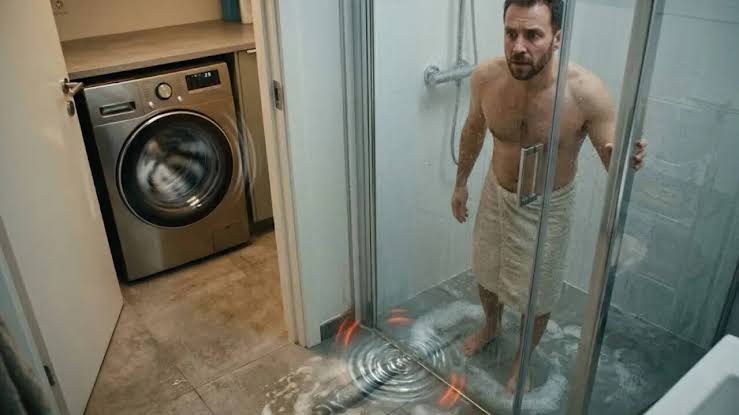
Have you ever been enjoying a warm, relaxing shower when the water suddenly becomes colder or the pressure seems to drop? You adjust the shower handle, wondering what happened, only to discover that someone has started the washing machine in another room.
It might seem like an unusual coincidence, but there can actually be a connection.
Many households use several water-consuming appliances and fixtures throughout the day. Showers, washing machines, dishwashers, kitchen faucets, and toilets all depend on the home’s plumbing system. When multiple fixtures operate simultaneously, they can sometimes affect one another.
This raises a common household question: Is it safe to shower while the washing machine is running?
The short answer is yes. In most properly maintained homes, taking a shower while the washing machine operates is generally safe. However, depending on your plumbing system, you might notice changes in water pressure or temperature.
The good news is that this is usually a matter of comfort rather than a serious plumbing concern.
Understanding why these changes happen can help you decide whether you need to adjust your daily routine or have your plumbing inspected.
Can You Shower While Your Washing Machine Is Running?
Yes, you can generally shower while your washing machine is running.
Modern residential plumbing systems are designed to supply water to several fixtures and appliances throughout a home. There is no general rule requiring you to turn off the washing machine before taking a shower.
However, your experience may depend on several factors, including:
- The size and condition of your home’s water pipes.
- The available water pressure.
- The capacity of your water heater.
- The type of washing machine you own.
- The design of your shower mixing valve.
- How many other fixtures are being used simultaneously.
In some homes, running the washing machine while showering makes virtually no noticeable difference.
In others, the shower may temporarily become weaker, warmer, or cooler when the washing machine begins filling.
Older properties with smaller pipes or limited water pressure may be more likely to experience these changes.
The important thing to remember is that simultaneous water use is generally normal. The plumbing system simply needs to accommodate the combined demand.
Why Does the Shower Temperature Change When the Washing Machine Runs?
One of the most common complaints involves sudden changes in shower temperature.
You might be enjoying a comfortable shower when the water becomes unexpectedly cold or hot.
This can happen because the shower and washing machine may be drawing water from the same household supply.
To understand why, it helps to look at how residential plumbing works.
Most homes have a main water supply that distributes water throughout the building. Some of this water travels directly to cold-water fixtures, while another portion passes through the water heater before reaching hot-water outlets.
Your shower combines hot and cold water to create a comfortable temperature.
When another appliance starts using water, the pressure or available flow in the plumbing system may change.
Depending on the plumbing layout and shower valve, this can affect the balance between hot and cold water.
1. The Washing Machine Uses Cold Water
Many modern washing machines primarily use cold water, with some models offering settings that heat water internally.
When a washing machine begins filling, it draws water from the household supply.
If the home’s plumbing has limited capacity, this additional demand can reduce the available flow to other fixtures.
Older shower valves may respond to pressure changes by allowing the hot and cold water proportions to shift.
As a result, the shower temperature may change unexpectedly.
The direction of the change depends on the plumbing arrangement and the type of shower valve.
2. The Washing Machine Uses Hot Water
Some washing machines have separate hot- and cold-water connections.
When these machines use a warm or hot setting, they may draw hot water from the home’s water heater.
If someone is showering at the same time, both the shower and washing machine may compete for the available hot-water supply.
This can be especially noticeable in households with smaller storage water heaters or high hot-water demand.
However, not every washing machine uses hot water directly. Some newer models heat water internally, while others use cold-water connections for most or all cycles.
Checking your appliance manual can help you understand how your particular machine operates.
3. The Water Heater Has Limited Capacity
Your water heater is another important part of the equation.
Traditional tank-style water heaters store a certain amount of heated water. Once that supply is used, the appliance needs time to heat additional water.
If several household activities require hot water simultaneously, the stored supply may be used more quickly.
For example, imagine someone taking a long shower while another person runs a hot-water laundry cycle.
Depending on the tank’s capacity and the household’s demand, the available hot water may decrease.
Tankless water heaters operate differently because they heat water as it passes through the unit. However, they also have limits on how much hot water they can deliver at one time.
If the combined demand exceeds the system’s capacity, the available flow or temperature may be affected.
Why Does the Shower Pressure Sometimes Become Weaker?
Temperature is not the only thing you might notice.
Sometimes the water continues flowing at the correct temperature, but the shower suddenly loses pressure.
This happens because multiple fixtures may be drawing water simultaneously.
For example, imagine the following situation:
- One person is taking a shower.
- The washing machine begins filling.
- Someone turns on the kitchen faucet.
- Another person flushes a toilet.
Each activity adds demand to the household water system.
If the incoming supply, pipe sizing, or plumbing arrangement cannot comfortably handle the combined flow, the available pressure at individual fixtures may decrease.
This is why the shower may feel weaker when several appliances are operating.
The effect is often more noticeable in older homes, properties with narrow supply pipes, or buildings with inconsistent water pressure.
However, a sudden or significant pressure reduction should not automatically be blamed on the washing machine. Other plumbing issues, such as clogged filters, partially closed valves, or supply problems, may also contribute.
Does the Washing Machine Use Water Continuously?
An interesting detail about washing machines is that they do not necessarily draw water throughout the entire cycle.
Instead, they usually use water in several stages.
A typical washing cycle may include:
1. Initial filling: The machine draws water to reach the required level for the selected cycle.
2. Washing: The drum moves the laundry around while detergent and water work together to clean the clothes.
3. Draining: The used water is pumped out of the machine.
4. Rinsing: The machine draws fresh water to remove detergent and remaining dirt.
5. Final spinning: Excess water is removed from the clothes before the cycle finishes.
Because water is drawn at different stages, the effect on your shower may come and go.
You might notice a brief pressure change when the machine fills, followed by normal shower conditions while it washes or spins.
The exact pattern depends on the washing machine model and the plumbing system.
When Is It Safe to Use Both at the Same Time?
For most households, running a washing machine while someone showers is perfectly acceptable.
If your plumbing system is properly designed and maintained, it should generally accommodate ordinary household water use.
There are several situations in which simultaneous use is less likely to cause noticeable problems.
Modern Shower Valves
Modern pressure-balancing and thermostatic shower valves are designed to help maintain a more consistent water temperature.
A pressure-balancing valve responds to changes in hot- and cold-water pressure.
A thermostatic valve regulates the temperature of the mixed water.
These systems can reduce sudden temperature fluctuations, although their performance depends on the installation and the specific equipment.
If your shower frequently changes temperature whenever another appliance runs, an upgraded shower valve may be worth discussing with a qualified plumber.
Adequate Pipe Sizing
Homes with appropriately sized water supply pipes are generally better equipped to handle simultaneous water use.
Pipe sizing affects how much water can flow through the plumbing system at a given time.
If pipes are too small for the combined demand, individual fixtures may experience reduced flow.
Proper plumbing design helps minimize this problem.
Sufficient Water Heater Capacity
A water heater that matches the household’s needs can also make a difference.
The number of occupants, shower duration, appliance usage, and water heater type all influence hot-water demand.
If your household regularly runs out of hot water, the problem may involve the water heater’s capacity rather than the washing machine itself.
Simple Ways to Prevent Shower Temperature Changes
If you notice that your shower becomes uncomfortable whenever the washing machine starts filling, there are several practical solutions.
You don’t necessarily need to replace your plumbing or purchase expensive equipment.
Here are some simple steps to consider.
1. Avoid Running Both During the Same Period
The easiest solution is to schedule laundry and showers at different times.
For example, you could start the washing machine after everyone has finished showering.
Alternatively, run a load while preparing breakfast or completing other household activities.
This reduces simultaneous water demand and can eliminate the problem in homes with limited plumbing capacity.
2. Use Cold-Water Laundry Settings
If your washing machine supports cold-water washing, this may reduce competition for the home’s hot-water supply.
However, remember that cold-water washing can still affect overall water pressure because the machine continues drawing water from the supply.
Also, follow garment care instructions and your appliance manufacturer’s recommendations when choosing laundry temperatures.
3. Check Your Washing Machine Settings
Some washing machines offer different temperature options, including cold, warm, and hot.
Other models have built-in heating systems.
Understanding how your machine uses water can help you determine whether it is likely to affect your shower.
Consult the user manual if you are unsure.
4. Consider Upgrading Your Shower Valve
If temperature fluctuations happen frequently, a modern pressure-balancing or thermostatic shower valve may help.
These valves are designed to reduce the impact of pressure changes on shower temperature.
Installation should be handled by a qualified plumbing professional, particularly if your existing plumbing is older.
5. Have Your Plumbing Inspected
If the pressure changes are severe, persistent, or suddenly become worse, consider having a plumber inspect the system.
A professional can check:
- Water pressure.
- Pipe sizing.
- Shower mixing valves.
- Water heater performance.
- Supply restrictions.
- Plumbing connections.
Identifying the underlying cause is better than repeatedly adjusting your shower settings.
Can Running the Washing Machine While Showering Damage Your Plumbing?
In a properly installed residential plumbing system, simply running a washing machine while someone showers should not damage the pipes.
The plumbing system is designed to handle normal household water use.
However, excessive pressure, faulty valves, worn connections, or other existing plumbing problems can cause issues.
If you hear unusual banging noises when the washing machine stops filling, you may be experiencing a phenomenon known as water hammer.
Water hammer occurs when moving water is stopped or redirected suddenly, creating a pressure wave inside the plumbing system.
Some washing machines use fast-acting inlet valves, which can contribute to this noise.
If the banging is frequent or loud, have the plumbing inspected. Water hammer arrestors may be appropriate in certain installations.
Also, if you notice leaks, unusual vibrations in pipes, or persistent pressure problems, don’t ignore them.
These symptoms may indicate a separate plumbing issue that deserves attention.
What If Your Shower Suddenly Becomes Extremely Hot or Cold?
A brief temperature fluctuation can happen in some homes, but a dramatic temperature change deserves attention.
Sudden hot-water surges can create a scalding risk, particularly for young children, older adults, and people with reduced temperature sensitivity.
If your shower regularly becomes dangerously hot or unexpectedly cold when another fixture operates, avoid treating it as a normal inconvenience.
Have the shower valve and plumbing system checked.
Modern temperature-control valves can provide additional protection, but they need to be correctly installed and maintained.
If you are concerned about scalding, a qualified plumber can recommend appropriate temperature-limiting and pressure-control solutions.
Final Thoughts: Should You Shower While the Washing Machine Is Running?
The good news is that you generally don’t need to worry about taking a shower while the washing machine is operating.
For most homes, these activities can happen simultaneously without creating a safety problem.
However, some households may experience temporary changes in water temperature or pressure because both appliances rely on the same plumbing supply.
The effect depends on the home’s pipe sizing, water pressure, water heater capacity, washing machine design, and shower valve.
If you never notice a difference, your plumbing system is probably handling the combined demand comfortably.
If your shower becomes weaker or changes temperature whenever the washing machine fills, scheduling laundry and showers at different times is an easy first step.
For persistent or severe problems, a plumbing inspection can help identify the cause and determine whether an upgrade is necessary.
Ultimately, there is no need to make household routines more complicated than they have to be. A little understanding of how your plumbing works can help you avoid unpleasant surprises and keep everyday activities running smoothly.